
Asphalt Maintenance Tips for Winter Weather in Virginia
By Paving Plus · Published December 11, 2024 · Reviewed October 1, 2026
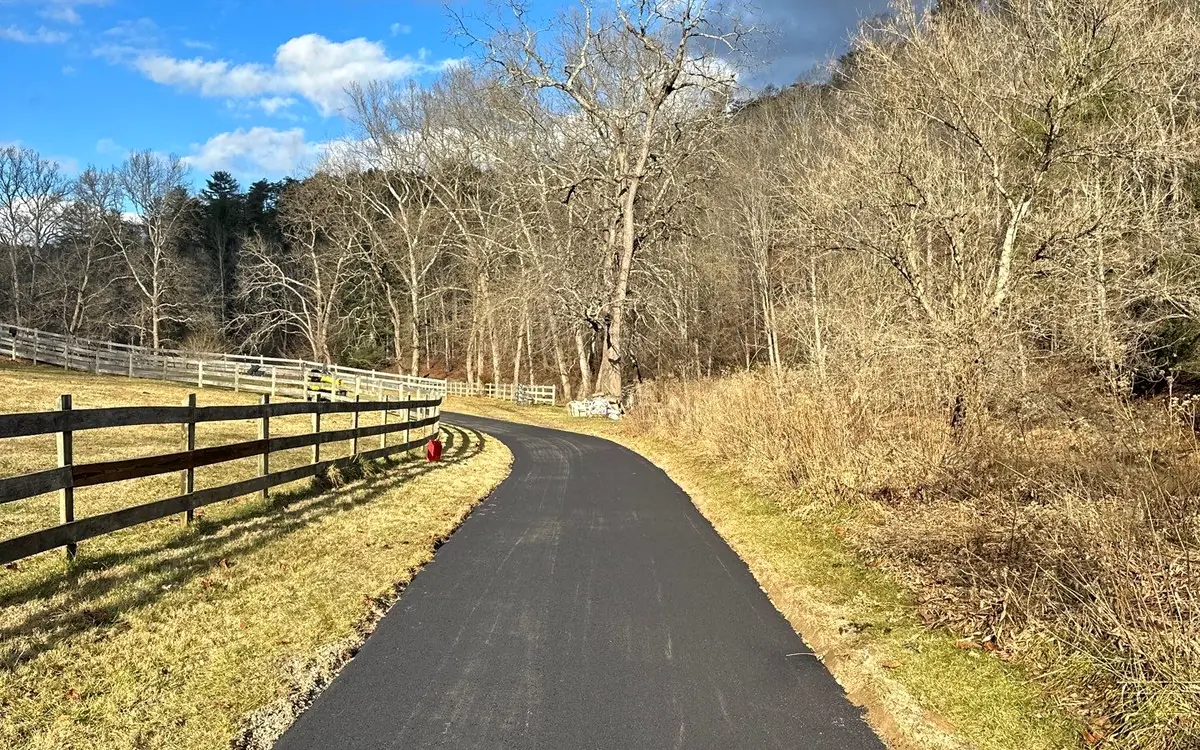
How hard winter is on your driveway depends a lot on your elevation. Roanoke averages about 15 inches of snow a year. Blacksburg averages about 23 inches and roughly 122 nights below freezing.
Either way, the damage to asphalt comes mostly from water. It gets into cracks and under the surface, freezes, expands and breaks things loose. Most of what follows is about keeping water out.
Fill cracks before the first hard freeze
Every open crack is a place for water to freeze and expand. Fill your cracks in the fall, while the weather still allows it, and a crack stays a crack instead of becoming a pothole by March.
Clear leaves and debris
Wet leaves and dirt hold moisture against the surface and stop water from running off. Sweep or blow your driveway clear in late fall, and keep it clear through the winter.
Sealcoat in the warm months, not in December
Sealcoat protects asphalt from water, salt and de-icing chemicals, but it needs warm, dry weather to cure. If your driveway is due, get it done before cold weather settles in. The sealcoating page covers how often.
Go easy on de-icer
Use de-icer to loosen the ice, then shovel the slush off. Slush left to sit melts into cracks and refreezes overnight. Calcium chloride and magnesium chloride keep working at lower temperatures than rock salt, so you can use less of them. Sand adds grip without melting anything.
Keep water moving
Point your downspouts away from the pavement. Keep ditches and culverts along the drive clear, and watch for puddles that freeze in the same place night after night. A spot that holds ice all winter is likely to break up by spring.
Plow and shovel with care
Metal blades and shovel edges gouge asphalt and pull loose stone off tar and chip. Use a plastic shovel or a rubber-edged plow blade, and set the blade slightly above the surface. If you hire plowing, ask how the driver protects paved and chip drives.
Check for damage after the thaw
In early spring, walk your driveway or lot. Look for new cracks, crumbled edges and potholes. Get them filled and patched once the ground has thawed, before spring rain and summer traffic make them bigger.
When to call
Paving Plus handles crack filling, patching and pothole repair, and sealcoating. See asphalt repair for damage that's already done. For year-round habits, read the 5 asphalt care tips for SWVA.
Related services
Get a free estimate before winter
Book a free estimate for crack filling or patching before the cold sets in. Call (540) 731-3000 or send the estimate form.