If you live on a long gravel lane in Floyd, Giles, or Pulaski, or on a hillside lot outside Christiansburg, you have probably wondered whether your driveway should be tar and chip or traditional asphalt. Both are proven surfaces, both are installed by local crews across Southwest Virginia, and both can turn a dusty, rutted drive into something you are proud to pull into. The right choice comes down to how you use your driveway, the look you want, and how much upkeep you are comfortable with.
This guide explains how each surface is built, where each one shines, and the questions to ask before you commit.
What Is a Tar and Chip Driveway?
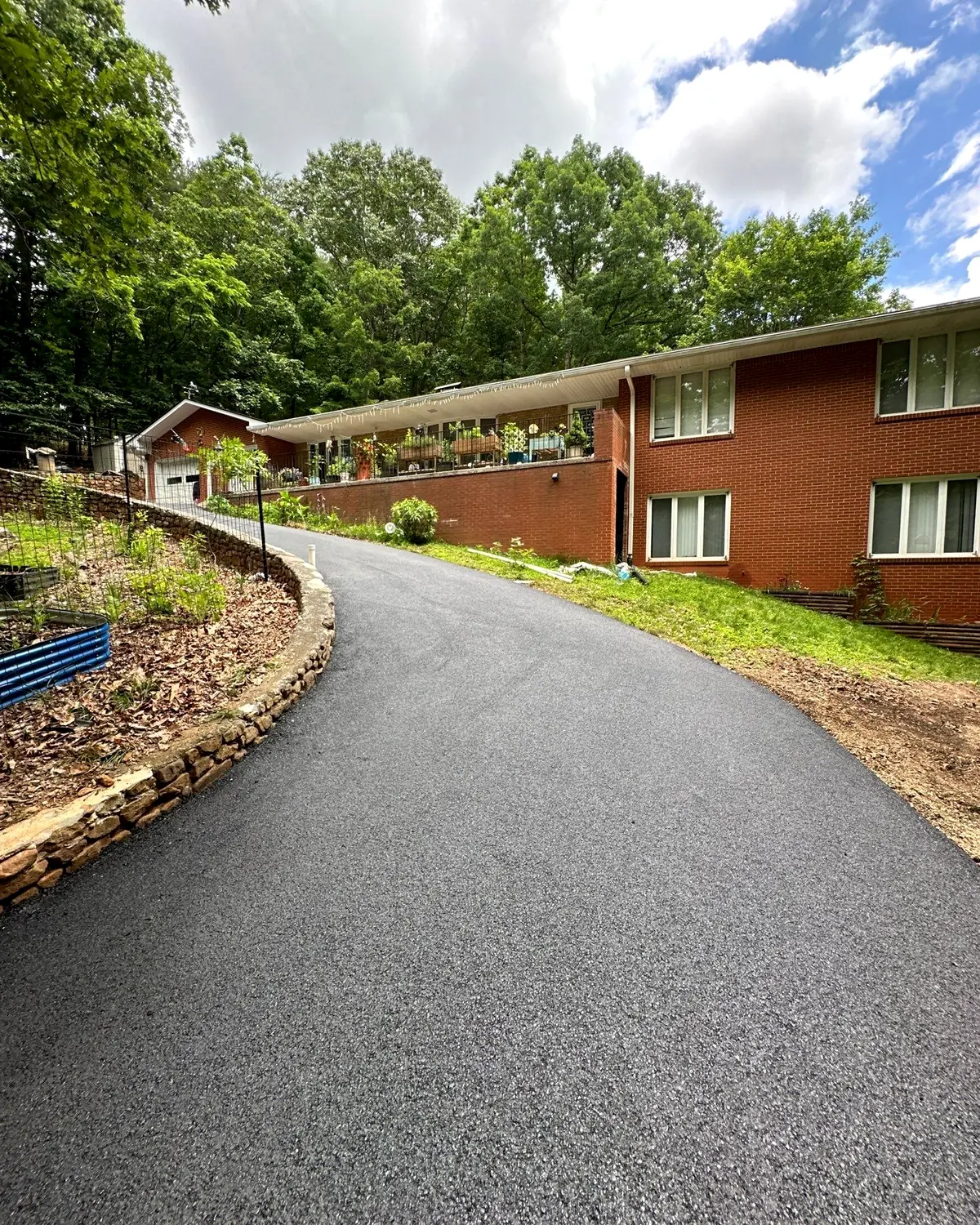
A tar and chip driveway, sometimes called a chip seal driveway, is built by spraying a layer of liquid asphalt binder over a prepared, compacted base and then spreading crushed stone across the surface while the binder is still tacky. Rollers press the stone into the binder and lock it in place. The result is a textured, natural-looking surface that resembles a well-kept gravel road, without the dust and loose ruts.
Many Virginia roads use the same basic method. The Virginia Transportation Research Council notes that VDOT has a long history of chip seal use across its roadway network, which is why the look feels familiar to anyone who drives the back roads of the New River Valley.
What Is an Asphalt Driveway?
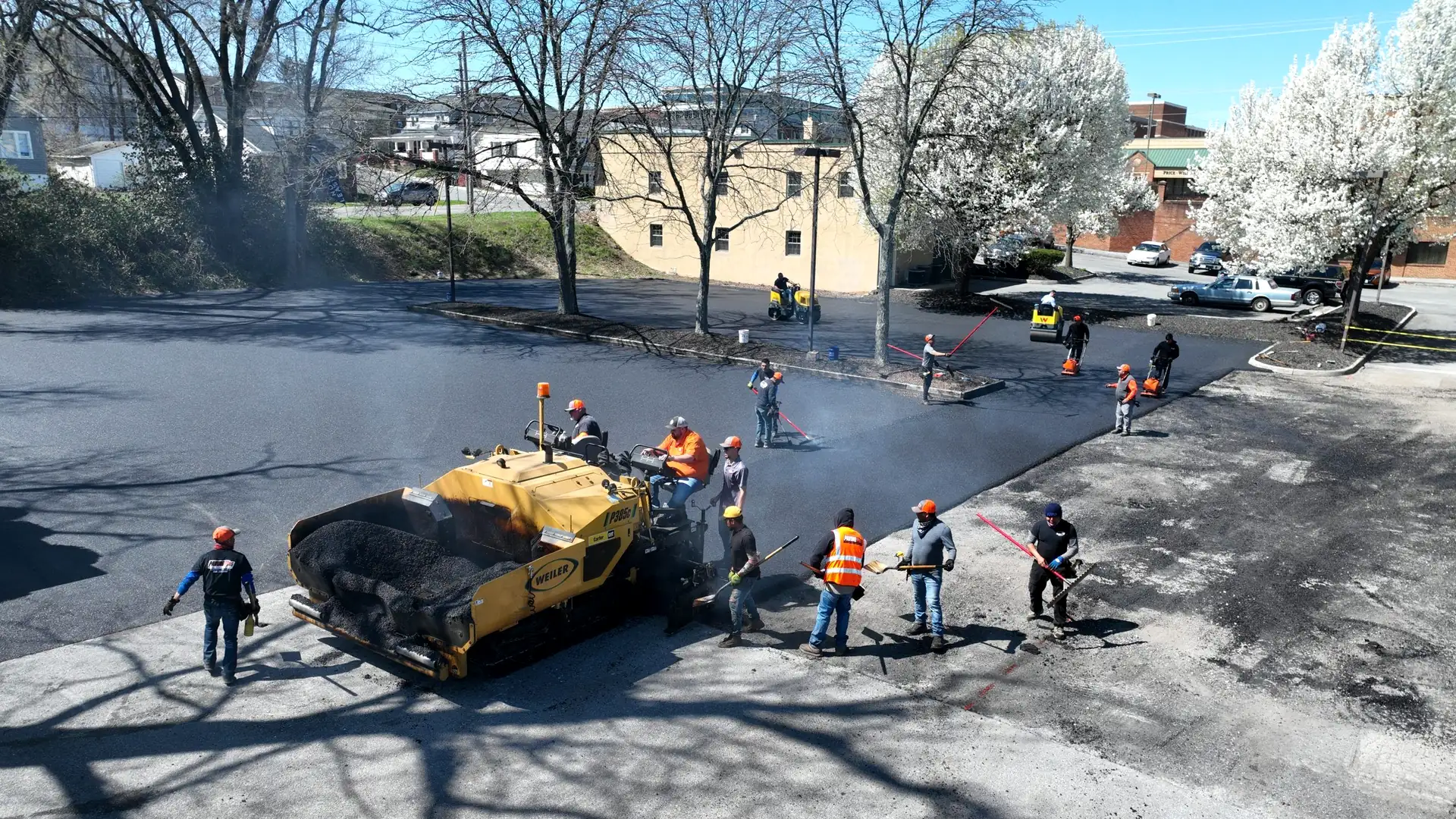
An asphalt driveway uses hot mix asphalt, a blend of stone, sand, and liquid asphalt that is produced at a plant, placed by a paving machine, and compacted into a smooth, uniform black surface. Built on a properly graded and compacted base, asphalt gives you a clean, finished look that suits everything from farmhouses to new subdivisions. The Asphalt Institute’s driveway best practices stress the same three fundamentals for any driveway: good design, good materials, and good construction.
Tar and Chip Driveway Pros and Cons Compared With Asphalt
- Appearance. Tar and chip has a rustic, textured finish, and its color comes from the stone used. Asphalt delivers a smooth, uniform black surface with crisp edges.
- Traction. The exposed stone in tar and chip creates a naturally grippy surface, which many homeowners appreciate on sloped driveways. Asphalt offers dependable traction in normal conditions and a smoother ride.
- Feel underfoot. Asphalt is the better fit for bikes, scooters, strollers, and basketball. The texture of tar and chip is rougher on wheels and play.
- Snow removal. Asphalt is easier to shovel and plow cleanly. On tar and chip, plow blades and shovels can catch the surface and dislodge stone, so careful technique helps.
- Loose stone. Some loose stone is normal on a new tar and chip surface while it settles, and it can be swept away. Asphalt does not shed stone.
- Ongoing care. Asphalt benefits from periodic sealcoating and crack repair. Tar and chip is typically maintained by addressing worn areas and, when the surface is ready, applying a fresh layer of binder and stone.
When Tar and Chip Makes Sense
Tar and chip is a strong fit when:
- You have a long rural driveway or farm lane and want an upgrade from gravel.
- You prefer a natural, country look that blends with the landscape.
- Your driveway climbs a hill and you value surface texture for grip.
- You want a sealed surface that cuts down on dust and washouts compared with loose gravel.
Our tar and chip services page explains how we prepare the base and apply the surface for homes across Southwest Virginia.
When Asphalt Is the Better Choice
Asphalt tends to win when:
- You want a smooth, polished finish that matches a newer home or neighborhood setting.
- Kids will ride, skate, or play on the driveway.
- You plow or shovel regularly and want a surface that clears easily.
- You plan to protect the surface over time with sealcoating, which helps shield asphalt from water, sun, and chemicals.
Learn more about our asphalt paving for residential driveways.
Questions to Ask Before You Decide
Before choosing a surface, talk through these questions with your contractor:
- How is my driveway’s drainage, and will the base need regrading?
- Is my current gravel base solid enough, or does it need reinforcement?
- How steep is the slope, and how will each surface handle it?
- How do I remove snow, and does that favor one surface over the other?
- What maintenance will each surface need over time?
Good drainage and a solid base matter more than any surface choice. Professional chip seal work, for example, follows detailed surface preparation and weather checks like those outlined in the Federal Highway Administration’s chip seal checklist.
Can Tar and Chip Go Over an Existing Driveway?
Often, yes. Tar and chip can be applied over a well-compacted gravel base, and it can also be placed over existing asphalt that is structurally sound. If the current surface has deep potholes, soft spots, or base failure, those areas need repair first. A site visit is the only reliable way to know what your driveway needs.
Protect Your Driveway Either Way
Whichever surface you choose, routine care keeps it looking good and performing well. The Federal Highway Administration’s pavement preservation guidance sums up the idea as keeping good roads good, which means handling small problems before they grow. For your driveway, that means keeping water flowing away from the surface, clearing debris, and calling a professional when you notice cracks, soft areas, or worn patches.
Talk to a Local Paving Contractor
Every property in Southwest Virginia is different, from mountain slopes to river-bottom farmland. The Paving Plus team can look at your driveway, explain the trade-offs in plain language, and recommend the surface that fits your home. Request a free quote and we will help you choose between tar and chip and asphalt with confidence.
Contact Paving Plus
Paving Plus, 5490 Roanoke Road, Shawsville, VA
Phone: +1 (540) 731-3000
Email: [email protected]
Request a quote: pavingplusva.com/contact-us